
SERVICES
School Test and Tag
Electrical testing for classroom appliances, computers and shared equipment used in schools across Mandurah.
GET A FREE QUOTE
100% local
Electrical Experience
INSURED
Fully Licensed
What Is School Test and Tag?
School test and tag checks plug-in electrical equipment used throughout classrooms, administration areas, staff rooms, libraries, laboratories and maintenance spaces. The process combines a visual inspection of the plug, cord, casing and fittings with electrical tests suited to the equipment class. Common items include computers, monitors, projectors, power boards, extension leads, kitchen appliances, audiovisual equipment and portable tools. Equipment that passes receives a tag showing its test status and relevant date information. Failed items must be identified and removed from use until an authorised person repairs or replaces them. Schools contain large amounts of shared equipment that staff may move between rooms, store between terms or use around students. Leads can become crushed behind furniture, plugs can loosen and equipment can suffer damage during transport or setup. Clear testing records help schools track items across different areas. Without regular inspection, damaged or unrecorded equipment may remain available for use and expose staff, students and visitors to electric shock, burns, fire or disruption.
Why Choose Testortagor Electrical Test and Tag for School Test and Tag
Checks Across Varied School Areas
Electrical equipment in a classroom faces different conditions from equipment in a staff kitchen, laboratory or maintenance area. Testortagor assesses each item according to its design, condition and normal use. This supports relevant testing across the varied appliances, computers, leads and portable equipment found throughout a school rather than treating every item as identical.
Qualified Electrical Fault Assessment
Testortagor brings electrical qualifications and career-long experience to school equipment testing. This background supports proper assessment when an appliance shows damaged insulation, a loose connection or an unacceptable electrical result. Schools receive testing from someone who understands the fault behind a failed item, not merely the label attached after the inspection.
Clear Identification of Shared Equipment
Schools often move computers, projectors, power boards and audiovisual equipment between rooms or learning areas. Testortagor provides clear testing outcomes so staff can identify passed, failed and due items. This supports equipment tracking and reduces the chance that an untested or failed appliance returns to a classroom after storage, relocation or routine room changes.
Local Testing Around Mandurah
Based in Dawesville, Testortagor provides school test and tag work across Mandurah and towards Fremantle. School representatives can discuss equipment quantities, room access and suitable testing arrangements before the visit. This local service supports educational premises that need electrical items checked across classrooms, offices, shared facilities and practical work areas.

What School Test and Tag Covers
School test and tag covers portable and movable electrical equipment used across learning, administration and staff areas. Items may include computers, monitors, printers, projectors, chargers, power boards, extension leads, kitchen appliances, audiovisual devices and portable maintenance tools. The tester checks cords, plugs, casings and fittings for damage before completing the electrical tests relevant to each item. Passing equipment receives a tag and recorded result. Failed items require clear identification and removal from use. Testing records can also help the school track equipment across rooms and plan future inspection dates.
Signs You Need School Test and Tag
Arrange testing when equipment has an expired, missing or unreadable tag, or when staff cannot confirm its inspection history. Visible signs include split cords, exposed wires, cracked plugs, bent pins, loose sockets, damaged casings and scorch marks. Leads crushed behind desks or wrapped tightly around equipment may also show wear. Remove appliances from use if they smell burnt, feel unusually hot, spark, cut out or trip a safety switch. Equipment may need checking after relocation, storage, liquid spills or student damage. A device that still operates may still contain an electrical safety fault.
DISCOVER WHAT OUR CUSTOMERS HAVE TO SAY ABOUT US
REVIEWS
our process
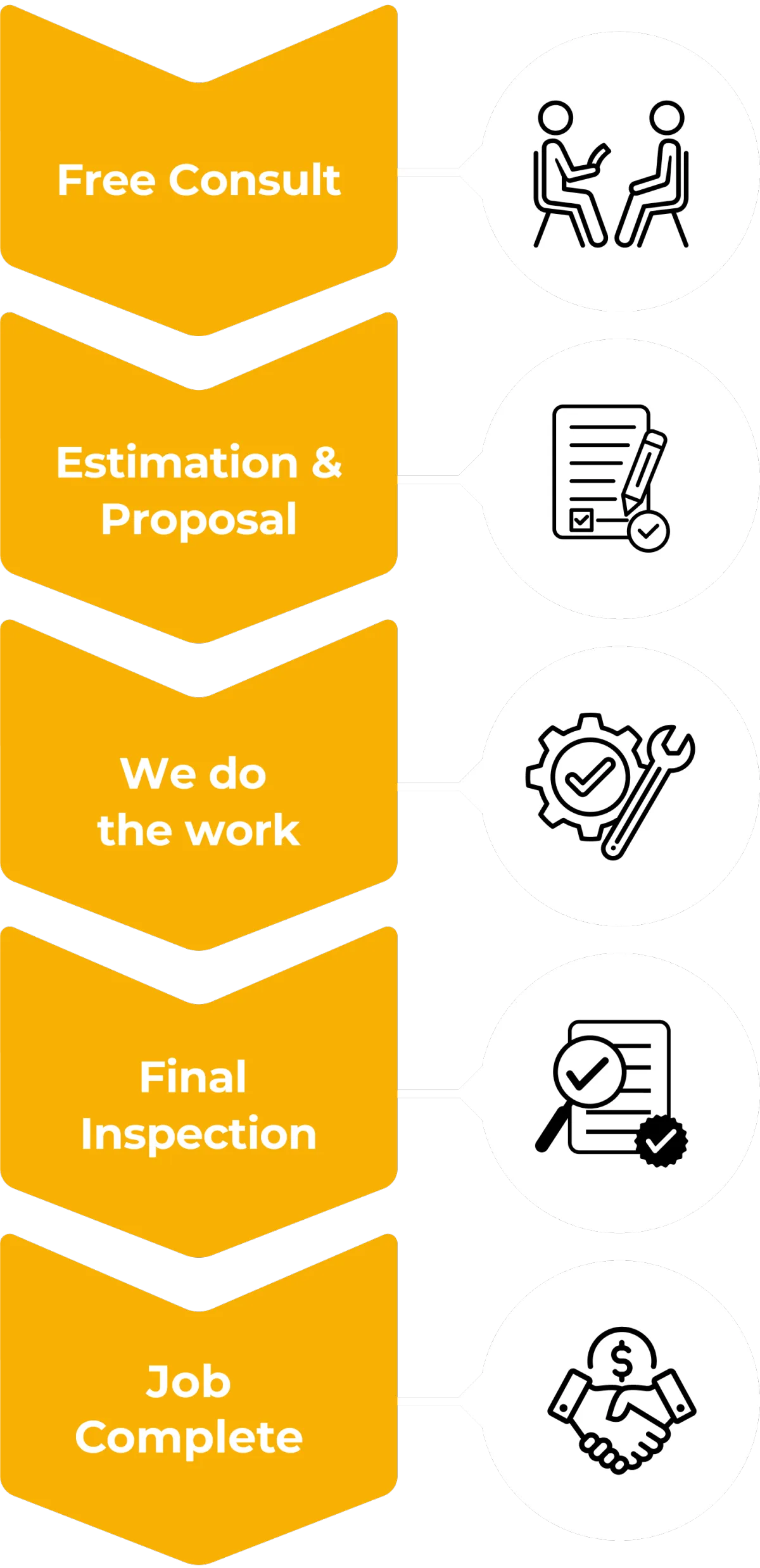
A simple process from first call to finished job.

SERVICE AREAS
proudly serving Mandurah

frequently asked questions
Find clear answers to the questions we’re asked most often.
How does the repair process work?
Once you contact Appliance Repair Solutions, a technician will discuss the issue with you and arrange a suitable inspection time. The problem is diagnosed on site, and clear advice is provided before any repair work begins. The goal is to complete repairs efficiently while keeping communication straightforward throughout the process.
How quickly can I book a technician?
Service availability depends on your location and the type of appliance issue. In many cases, same day or next day bookings may be available across Sydney. The team aims to respond promptly and provide flexible scheduling where possible.
Do you provide quotes before starting repairs?
Yes. After assessing the appliance and identifying the fault, you will receive clear information about the recommended repair and expected costs. This helps customers make informed decisions before approving any work.
What should I do before the technician arrives?
It helps to clear access around the appliance and make note of any error codes or unusual behaviour. If possible, have the appliance model number available as this can assist with diagnosing the issue faster. The technician will guide you through anything else needed when confirming the booking.
What should I do before the technician arrives?
It helps to clear access around the appliance and make note of any error codes or unusual behaviour. If possible, have the appliance model number available as this can assist with diagnosing the issue faster. The technician will guide you through anything else needed when confirming the booking.
proudly serving Baulkham Hills
Homebush
Gladesville
Leichhardt
North Sydney
Mosman
Box Hill
Marsden park

Trusted & Accredited Plumbers


FREQUENTLY ASKED QUESTIONS
Your questions answered
What electrical equipment should schools test and tag?
The testing program may include computers, monitors, printers, projectors, power boards, extension leads, kitchen appliances, audiovisual devices and portable maintenance equipment. The relevant items depend on their design, connection and use. Fixed wiring and permanently connected equipment require different electrical inspection arrangements.
How often should school equipment be tested and tagged?
The appropriate interval depends on the equipment, how often people move it, the area where they use it and the risks present. Schools should establish their testing program using current workplace requirements, relevant Australian Standards and their own risk assessment rather than applying one interval to every item.
Can testing be organised room by room?
Yes. Schools can organise equipment by classroom, building, department or item type to make identification and record keeping easier. Staff should make devices accessible and advise users about temporary disconnections. A current asset list can help locate equipment stored in cupboards, preparation rooms, libraries or spare classrooms.
Does new classroom equipment need immediate testing?
New equipment may not require instrument testing before first use in every situation, but staff should inspect it for transport damage and record it within the school’s equipment system. The school can then assign a future inspection date based on the item, its use and the conditions around it.
READY TO take the next step?
get a free quote TODAY!
Testortagor Electrical Test and Tag
Dawesville, WA
