SERVICES
Construction Site Test and Tag
Electrical testing and tagging for portable tools, leads and equipment used on construction sites across Mandurah.
GET A FREE QUOTE
100% local
Electrical Experience
INSURED
Fully Licensed
What Is Construction Site Test and Tag?
Construction site test and tag checks portable electrical equipment used where building or demolition work exposes tools and leads to demanding conditions. The process combines a visual inspection with electrical testing suited to the item. Common checks cover plugs, flexible cords, casings, guards, insulation and earth continuity where applicable. Equipment that passes receives a durable tag showing its testing status and relevant date information. Failed items need clear identification and removal from site use until an authorised person repairs or replaces them. Construction work creates risk because equipment moves frequently, operates outdoors and may encounter dust, moisture, vibration, sharp materials and rough handling. A defect can develop between projects or after a single impact even when a tool still runs. Western Australian construction and demolition sites must follow the electrical safety requirements applying to this environment, including AS/NZS 3012. Regular testing helps site managers identify unsafe items before workers connect them to temporary power. Ignoring damaged or overdue equipment can increase the risk of shock, burns, fire and site delays.
Why Choose Testortagor Electrical Test and Tag for Construction Site Test and Tag
Checks Suited to Site Conditions
Construction equipment often faces impacts, dragging, dust and changing weather. Testortagor applies career-long electrical experience when checking the parts most likely to suffer under those conditions. This supports sound assessment of damaged plugs, split leads, loose connections and test results that may show a tool should leave service before returning to site use.
Qualified Assessment Beyond the Tag
Testortagor understands that a tool can continue operating while an electrical safety defect remains present. A qualified electrician carries out the testing and assesses both visible condition and instrument results. This electrical background matters for site equipment because superficial wear, unsafe repairs and internal faults require more than a quick glance at the existing tag.
Clear Equipment Status for Site Entry
Construction sites need clear identification of equipment that passes, fails or reaches its next testing date. Testortagor provides testing outcomes that site managers can use when checking tools, extension leads and portable power equipment. Clear status information reduces uncertainty at site entry and helps prevent failed or overdue items from returning to active work areas.
Local Support for Mandurah Contractors
Based in Dawesville, Testortagor supports construction businesses working across Mandurah and the corridor towards Fremantle. Site managers can discuss the quantity and type of equipment, access arrangements and work conditions before testing begins. This local focus suits contractors who need portable tools and leads checked for the demanding environments encountered during building and demolition work.
What Construction Site Test and Tag Covers
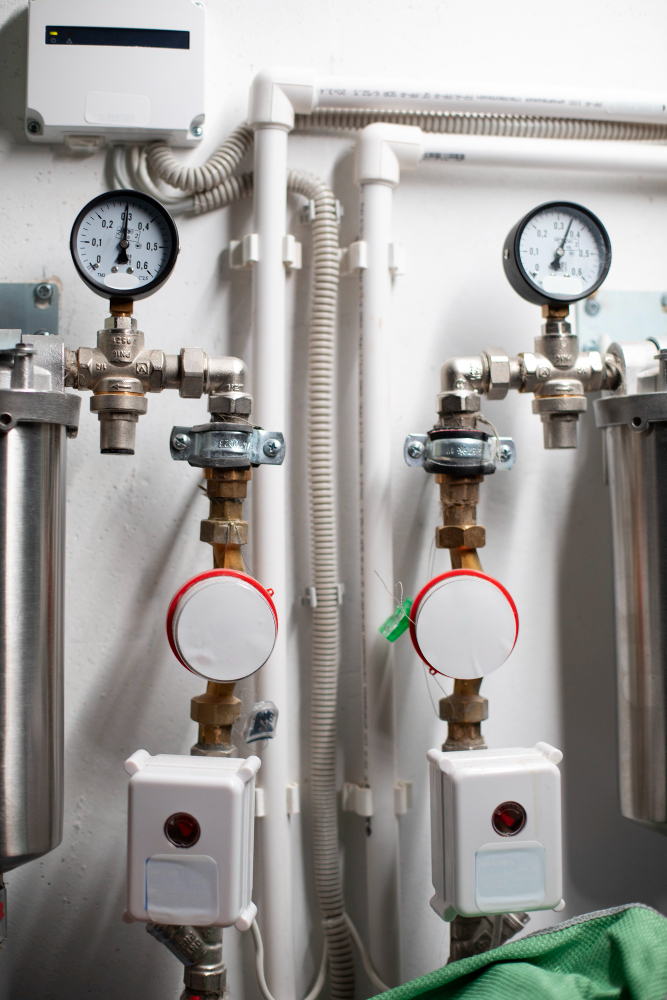
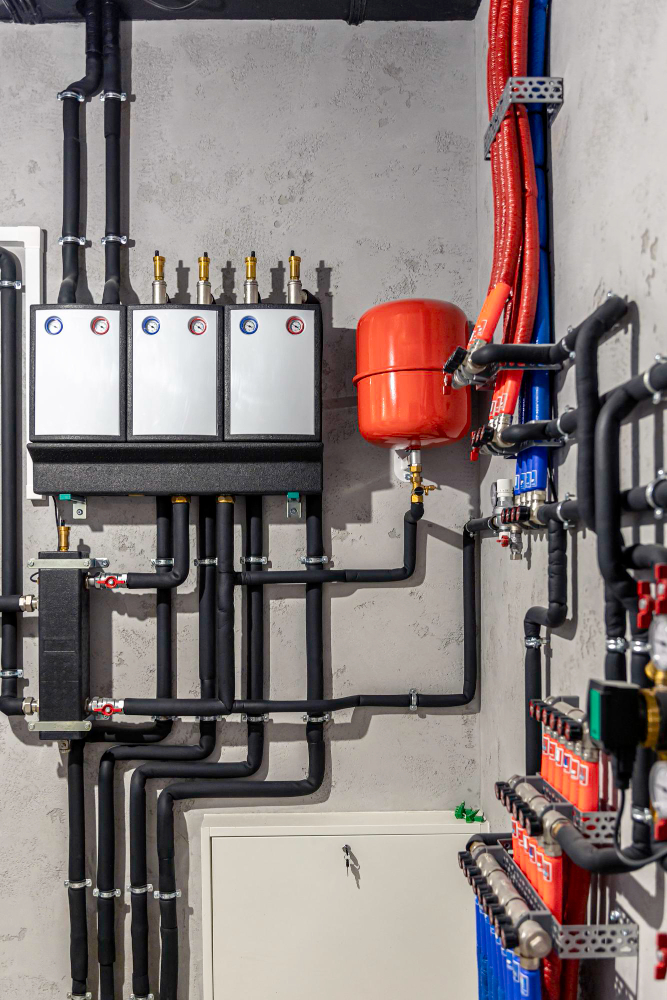
Construction site test and tag covers portable power tools, extension leads, power boards, portable outlet devices, chargers, lighting and other plug-in equipment used during building or demolition work. Each item receives a visual inspection for damage, wear, exposed conductors, loose fittings and unsafe repairs. Electrical tests check the safety functions relevant to the equipment class. Passing items receive a durable tag, while failed items must leave service. The work also supports equipment registers and recurring testing schedules required for construction environments under the applicable site electrical safety rules.
Signs You Need Construction Site Test and Tag
Book construction site testing when equipment has an expired tag, no tag, an unreadable label or an unknown testing history. Remove items from use if workers see split insulation, exposed wires, crushed leads, bent plug pins, cracked casings, loose guards, scorch marks or makeshift repairs. Tools that trip an RCD, produce unusual heat, smell burnt or give a tingling sensation also need immediate attention. Equipment may require checking after a fall, vehicle impact, water exposure or transfer from another site. A working motor does not prove that the tool remains electrically safe.
DISCOVER WHAT OUR CUSTOMERS HAVE TO SAY ABOUT US
REVIEWS
our process
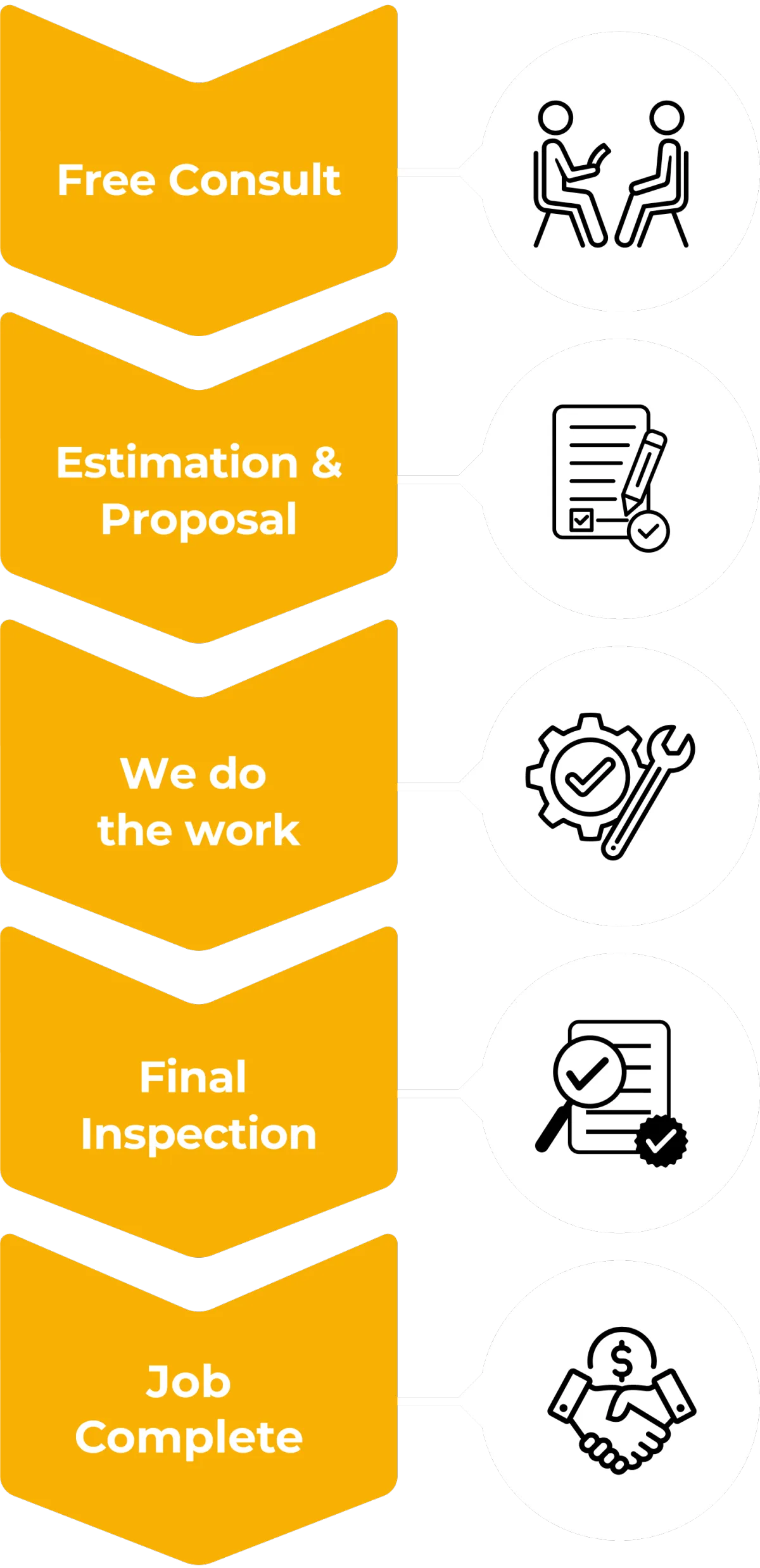
A simple process from first call to finished job.

SERVICE AREAS
proudly serving Mandurah

frequently asked questions
Find clear answers to the questions we’re asked most often.
How does the repair process work?
Once you contact Appliance Repair Solutions, a technician will discuss the issue with you and arrange a suitable inspection time. The problem is diagnosed on site, and clear advice is provided before any repair work begins. The goal is to complete repairs efficiently while keeping communication straightforward throughout the process.
How quickly can I book a technician?
Service availability depends on your location and the type of appliance issue. In many cases, same day or next day bookings may be available across Sydney. The team aims to respond promptly and provide flexible scheduling where possible.
Do you provide quotes before starting repairs?
Yes. After assessing the appliance and identifying the fault, you will receive clear information about the recommended repair and expected costs. This helps customers make informed decisions before approving any work.
What should I do before the technician arrives?
It helps to clear access around the appliance and make note of any error codes or unusual behaviour. If possible, have the appliance model number available as this can assist with diagnosing the issue faster. The technician will guide you through anything else needed when confirming the booking.
What should I do before the technician arrives?
It helps to clear access around the appliance and make note of any error codes or unusual behaviour. If possible, have the appliance model number available as this can assist with diagnosing the issue faster. The technician will guide you through anything else needed when confirming the booking.
proudly serving Baulkham Hills
Homebush
Gladesville
Leichhardt
North Sydney
Mosman
Box Hill
Marsden park

Trusted & Accredited Plumbers


FREQUENTLY ASKED QUESTIONS
Your questions answered
How often does construction equipment need testing and tagging?
Portable electrical equipment used for construction work generally requires inspection, testing and tagging at intervals set by the applicable construction site rules. AS/NZS 3012 addresses electrical installations and equipment on construction and demolition sites. Site managers should also check project requirements because principal contractors may apply additional entry and record controls.
What construction equipment can be tested and tagged?
Testing commonly covers portable power tools, extension leads, power boards, chargers, work lights and other plug-in equipment used on site. The exact list depends on what workers bring into the work area and how the site distributes power. Equipment should remain identifiable so its test status can be checked before use.
Is a current tag enough to show a tool is safe?
No. A current tag records the item’s condition when it passed its last inspection and test. Workers should still visually check tools and leads before use. Remove the item from service if damage, water exposure, overheating, an electric tingle or unusual operation appears before the next scheduled test.
What happens when construction equipment fails testing?
A failed item must be identified clearly and removed from service so nobody reconnects it accidentally. An authorised person can assess whether repair is appropriate, or the owner can replace the equipment. The item should not return to construction use merely because it still runs or the visible damage appears minor.
READY TO take the next step?
get a free quote TODAY!
Testortagor Electrical Test and Tag
Dawesville, WA
