
BLOG
How Fremantle Businesses Can Prepare Equipment and Records for a Test and Tag Visit
Preparing before an electrical test and tag visit helps a Fremantle workplace account for its equipment, provide safe access and reduce the number of items missed during inspection. Preparation is particularly useful for businesses operating across several rooms, floors, vehicles or work sites.
The process should begin with the equipment register rather than a quick search on the day. Portable appliances, leads and tools can easily be overlooked when they are stored in cupboards, assigned to workers, connected behind furniture or taken away from the main premises.
A well-organised workplace gives the competent person enough information and access to inspect each relevant item correctly.
Review the Equipment Register Before the Visit
An equipment register should identify each item using a consistent asset number or another unique reference. Useful details include the equipment description, usual location, previous test date, result and next scheduled inspection.
Reviewing this information before testing helps identify items that have been purchased, relocated, repaired or disposed of since the previous visit. Equipment should not remain on the active register after permanent disposal, but the testing record may still need to be retained for the required period.
Compare the register with equipment physically present at the workplace. This can reveal items stored in meeting rooms, kitchens, maintenance areas, classrooms, vehicles or off-site work locations.
Similar-looking equipment should have separate identifiers. Several black extension leads or identical power tools can easily be confused if they are recorded only by colour or general description.
New and unused equipment should be documented when introduced to the workplace. While it may not require immediate electrical testing in every environment, it should be checked for obvious damage before first use.
Gather Portable and Infrequently Used Equipment
Frequently used equipment is normally easy to locate, but stored or seasonal items are more likely to be missed. Appliances kept in cupboards, spare power boards, portable RCDs and equipment reserved for events or maintenance work should be gathered where practical.
Workers should be advised of the planned inspection so they can return equipment kept in lockers, vehicles or home offices. Contractors may also have business-owned tools assigned to them.
Equipment does not always need to be placed in one room, but its location should be known. Moving heavy or awkward items unnecessarily can create manual handling risks. Providing a location list may be more appropriate for equipment spread across a large Fremantle premises.
Any item currently in use will need to be disconnected before certain inspections and tests can be completed. Work schedules should allow essential equipment to be switched off safely without interrupting critical tasks or causing data loss.
Provide Safe Access to Plugs, Leads and RCDs
The plug, flexible cord, casing and connection points need to be accessible for visual inspection. Desks, shelving, stock and equipment should not block access to power points or trap leads against sharp edges.
Office computers, printers and other devices should be shut down correctly before disconnection. Simply switching off the monitor does not safely close files or protect work stored on a connected computer.
Extension leads should be fully accessible rather than left partly concealed under flooring, furniture or storage. A lead cannot be properly assessed when sections of its insulation and connection points cannot be examined.
Work areas should remain clear of trip hazards while equipment is moved and reconnected. Leads, testing equipment and disconnected appliances should not obstruct walkways, stairs or emergency exits.
Fixed and portable RCDs included in the testing program must also be identifiable and accessible. Staff should understand that RCD testing may briefly interrupt electricity to the protected circuit. Equipment connected to that circuit may need to be shut down beforehand.
Separate Damaged Equipment and Update Records
Known faulty equipment should be disconnected and placed in a clearly marked quarantine area before the visit. It should not be mixed with equipment awaiting routine testing.
Damage requiring immediate attention can include cracked casings, exposed conductors, crushed cords, bent plug pins, scorch marks and loose cord anchorage. Equipment that operates intermittently, produces unusual heat or repeatedly trips an RCD should also be removed from use.
Testing is not a substitute for repair. Electrical repair work must be completed by a person authorised to perform it, and repaired equipment may need to be inspected and tested before returning to service.
After testing, the equipment register should be updated with the result, inspection date, tester and next scheduled date. Failed items should remain recorded until their status is resolved through repair, replacement or disposal.
WA workplace requirements generally require mandatory testing records to be kept until the equipment is tested again, permanently removed from the workplace or disposed of. Records for RCD testing, excluding routine push-button checks, must be retained until the next test or disposal.
Once equipment is returned to its usual location, workers should check that cords are not trapped, stretched or placed across walkways. Preparation and accurate follow-up make the testing record more useful and reduce the likelihood of untested equipment returning to everyday use.
DISCOVER WHAT OUR CUSTOMERS HAVE TO SAY ABOUT US
REVIEWS
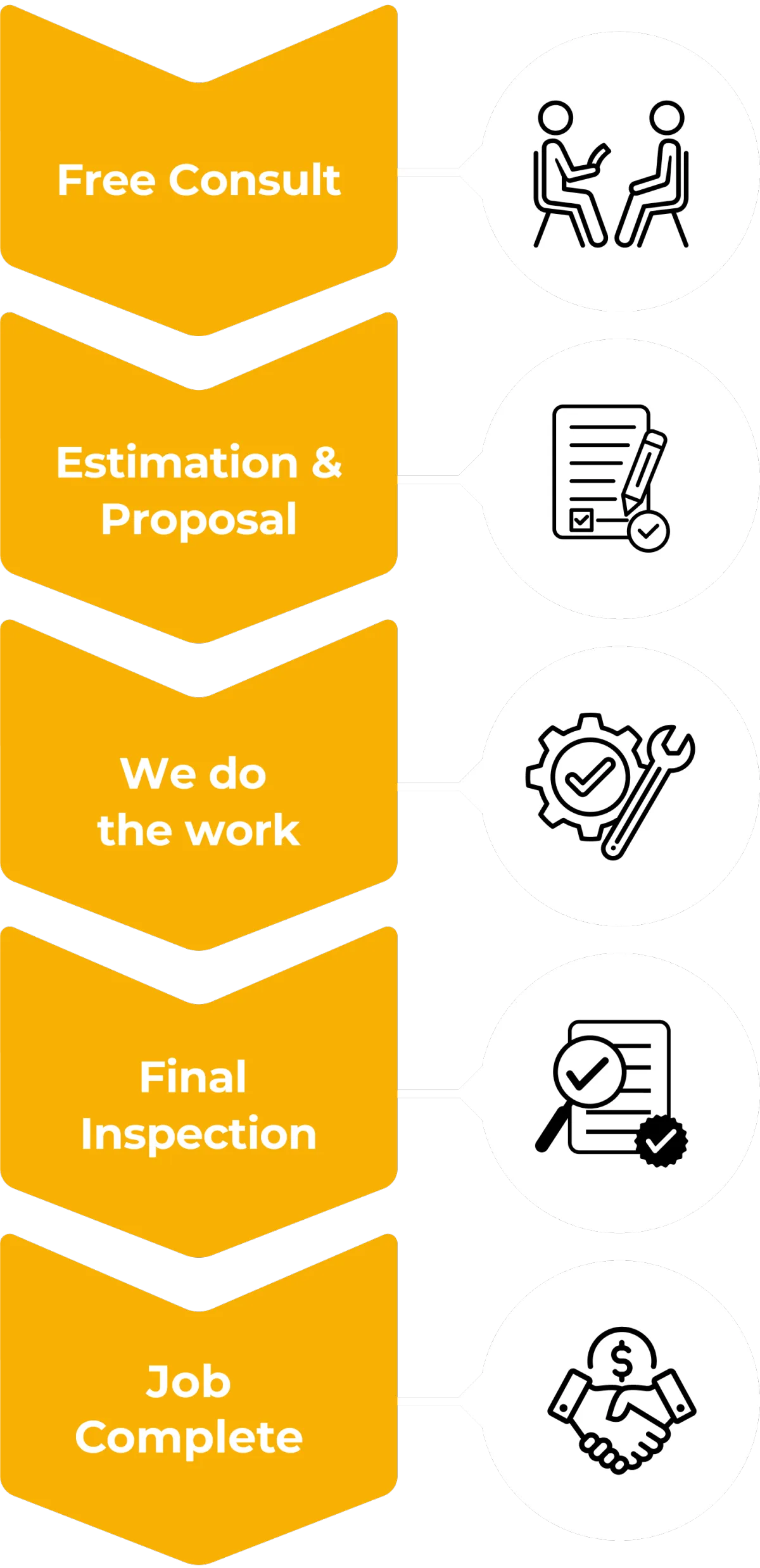
our process
Our process is simple and only contains a few simple steps

SERVICE AREAS
proudly serving Mandurah
Dawesville
Halls Head
Mandurah
Falcon
Erskine
Meadow Springs
Lakelands
Singleton
Golden Bay
Secret Harbour
Port Kennedy
Rockingham
Baldivis
Fremantle

frequently asked questions
Find clear answers to the questions we’re asked most often.
How does the repair process work?
Once you contact Appliance Repair Solutions, a technician will discuss the issue with you and arrange a suitable inspection time. The problem is diagnosed on site, and clear advice is provided before any repair work begins. The goal is to complete repairs efficiently while keeping communication straightforward throughout the process.
How quickly can I book a technician?
Service availability depends on your location and the type of appliance issue. In many cases, same day or next day bookings may be available across Sydney. The team aims to respond promptly and provide flexible scheduling where possible.
Do you provide quotes before starting repairs?
Yes. After assessing the appliance and identifying the fault, you will receive clear information about the recommended repair and expected costs. This helps customers make informed decisions before approving any work.
What should I do before the technician arrives?
It helps to clear access around the appliance and make note of any error codes or unusual behaviour. If possible, have the appliance model number available as this can assist with diagnosing the issue faster. The technician will guide you through anything else needed when confirming the booking.
What should I do before the technician arrives?
It helps to clear access around the appliance and make note of any error codes or unusual behaviour. If possible, have the appliance model number available as this can assist with diagnosing the issue faster. The technician will guide you through anything else needed when confirming the booking.
proudly serving Baulkham Hills
Homebush
Gladesville
Leichhardt
North Sydney
Mosman
Box Hill
Marsden park

Trusted & Accredited Plumbers


READY TO take the next step?
get a free quote TODAY!
Testortagor Electrical Test and Tag
Dawesville, WA
