
BLOG
How Testortagor Electrical Test and Tag Supports Safer Equipment Use Across Local Workplaces
Testortagor Electrical Test and Tag is based in Dawesville and works with businesses across the Mandurah to Fremantle corridor. This area includes offices, schools, workshops, retail premises, construction sites and trade businesses, each with different electrical equipment risks.
Gary’s career-long electrical background provides the technical knowledge needed to inspect portable equipment and interpret electrical test results. This matters because test and tag work involves more than operating a testing device. Equipment construction, protective earthing, insulation, operating conditions and visible damage all need to be considered before an item can be assessed correctly.
Local Workplaces Present Different Electrical Risks
Equipment risk changes considerably between workplace environments. A desktop monitor that remains in a clean office is not exposed to the same conditions as a drill transported between vehicles and building sites.
Construction equipment can be affected by dust, moisture, impacts and repeated movement. Extension leads may be dragged across rough surfaces, caught under materials or exposed to vehicle traffic. Workshop tools can encounter vibration, heat, metal fragments, oils and sharp edges.
Schools and shared workplaces present another set of concerns. Appliances may be moved between rooms, connected to power boards or handled by several people. Equipment stored in cupboards can also be overlooked when a testing register is prepared.
Coastal conditions along the corridor may contribute to corrosion where salt-laden air and moisture reach plug pins, connections or exposed metal components. Equipment stored in sheds, vehicles and partially enclosed areas requires particular attention because those locations may trap humidity or allow wind-driven moisture to enter.
Electrical Knowledge Supports Accurate Assessment
Portable appliances are built with different protective measures. Class I equipment uses a protective earth connection, while Class II equipment relies on double or reinforced insulation. The test sequence must match the equipment class and design.
Visual inspection comes first. It can identify cracked casings, damaged cords, bent plug pins, loose cord anchorage, missing guards, scorch marks or modifications. These faults may require the item to be removed from use before electrical testing continues.
Instrument testing can assess protective earth continuity, insulation resistance, polarity and leakage current where applicable. Results need to be interpreted in context. An unexpected reading may relate to the appliance design, connected components, the selected test method or an actual fault.
A qualified electrical background is also useful when explaining why equipment has failed. Clear fault information allows the workplace to decide whether an item should be repaired by an appropriately qualified person or replaced. The test itself does not authorise unlicensed repair work.
Clear Records Help Equipment Follow the Workplace
Many local businesses operate across more than one location. Tools may move from a Dawesville workshop to a Mandurah project, then travel north with another crew. Equipment can become separated from its original storage area or assigned to a different vehicle.
A unique asset number connects each item to its testing history. A useful register records the equipment description, test date, result, tester and next scheduled inspection. It may also include repairs, transfers and repeated failures.
Visible tags help workers check an item’s status before use, but tags and registers serve different purposes. The tag provides immediate information at the equipment. The register gives the business a broader view of its equipment inventory and testing program.
Records also help identify missing items. If an asset appears on the register but is unavailable during testing, it should not simply be marked as completed. The business needs a method for locating and checking it before it returns to service.
Testing Works Alongside Daily Equipment Checks
Scheduled inspection and testing cannot prevent damage that occurs afterwards. A tool can pass testing in the morning and sustain cord or casing damage later that day.
Workers should examine plugs, cords, connection points and casings before use. Equipment should be disconnected if it produces unusual heat, smells burnt, operates intermittently or repeatedly causes an RCD to trip. The reason for an RCD operation should be identified before the supply is restored.
Storage and setup also influence electrical safety. Leads should be kept away from water, chemicals, hot surfaces and sharp edges. Connections should not be left on damp ground, and cords crossing active work areas may need suitable hangers or cable protection.
Equipment that fails inspection or testing must be clearly identified and prevented from returning to use. A separate quarantine area can reduce the chance of a failed tool being collected by another worker or placed back into a shared vehicle.
The role of Testortagor Electrical Test and Tag within local workplaces is to provide competent inspection, accurate testing and usable records. These elements support the wider electrical safety system, which also depends on appropriate equipment selection, careful handling, routine checks and prompt reporting of damage.
DISCOVER WHAT OUR CUSTOMERS HAVE TO SAY ABOUT US
REVIEWS
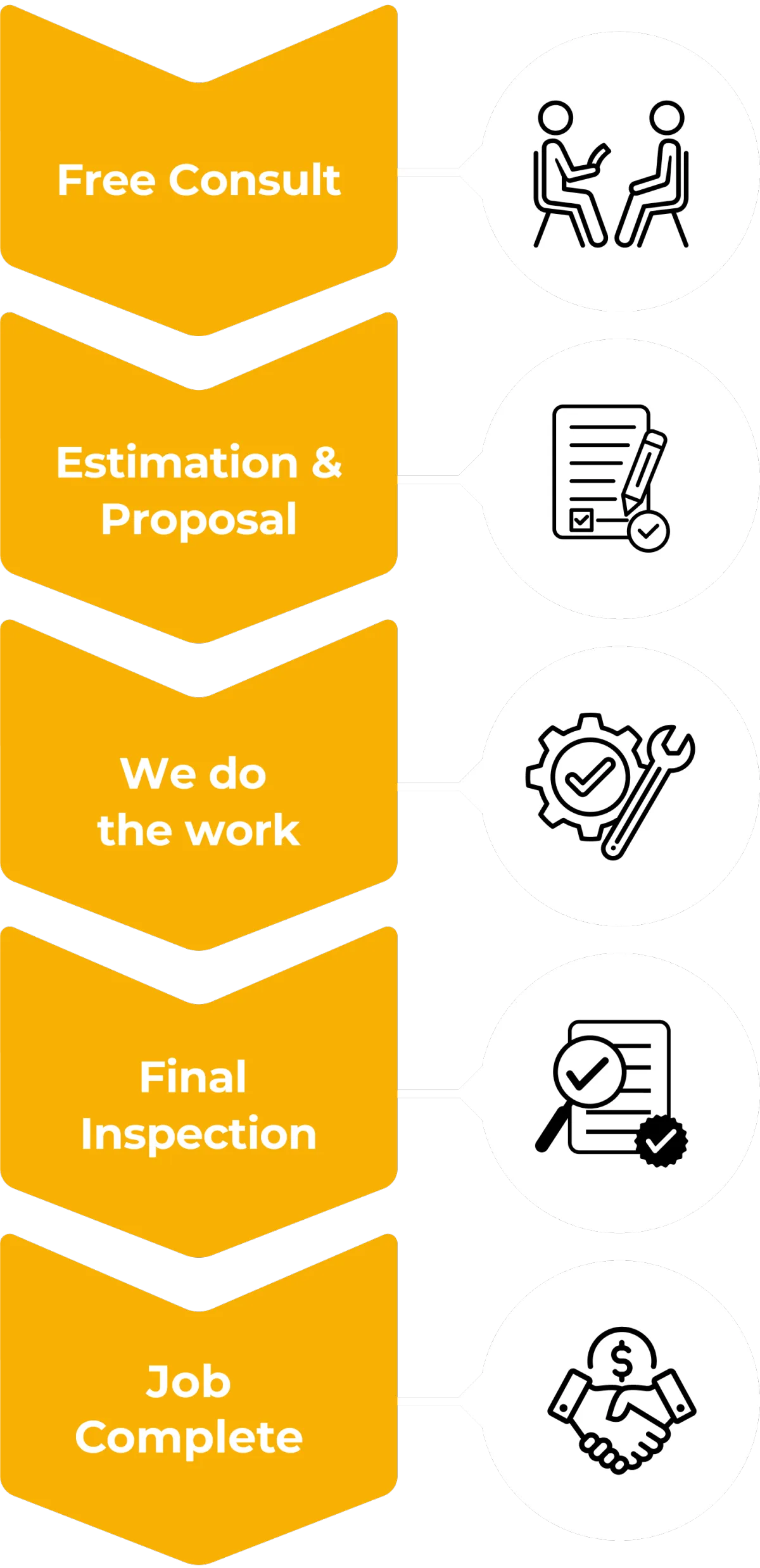
our process
Our process is simple and only contains a few simple steps

SERVICE AREAS
proudly serving Mandurah
Dawesville
Halls Head
Mandurah
Falcon
Erskine
Meadow Springs
Lakelands
Singleton
Golden Bay
Secret Harbour
Port Kennedy
Rockingham
Baldivis
Fremantle

frequently asked questions
Find clear answers to the questions we’re asked most often.
How does the repair process work?
Once you contact Appliance Repair Solutions, a technician will discuss the issue with you and arrange a suitable inspection time. The problem is diagnosed on site, and clear advice is provided before any repair work begins. The goal is to complete repairs efficiently while keeping communication straightforward throughout the process.
How quickly can I book a technician?
Service availability depends on your location and the type of appliance issue. In many cases, same day or next day bookings may be available across Sydney. The team aims to respond promptly and provide flexible scheduling where possible.
Do you provide quotes before starting repairs?
Yes. After assessing the appliance and identifying the fault, you will receive clear information about the recommended repair and expected costs. This helps customers make informed decisions before approving any work.
What should I do before the technician arrives?
It helps to clear access around the appliance and make note of any error codes or unusual behaviour. If possible, have the appliance model number available as this can assist with diagnosing the issue faster. The technician will guide you through anything else needed when confirming the booking.
What should I do before the technician arrives?
It helps to clear access around the appliance and make note of any error codes or unusual behaviour. If possible, have the appliance model number available as this can assist with diagnosing the issue faster. The technician will guide you through anything else needed when confirming the booking.
proudly serving Baulkham Hills
Homebush
Gladesville
Leichhardt
North Sydney
Mosman
Box Hill
Marsden park

Trusted & Accredited Plumbers


READY TO take the next step?
get a free quote TODAY!
Testortagor Electrical Test and Tag
Dawesville, WA
