BLOG
How AS/NZS 3760 Applies to Electrical Equipment Testing in Mandurah Businesses
AS/NZS 3760 sets out procedures for the in-service safety inspection and testing of electrical equipment and residual current devices. Mandurah businesses may encounter the standard when managing portable appliances, extension leads, power boards and other equipment connected to the electricity supply through a plug and socket.
The standard provides a consistent technical method for inspecting and testing equipment. It does not mean every electrical item in every workplace must be tested at the same interval. The operating environment, equipment design, frequency of movement and likelihood of damage all affect how workplace electrical risks should be managed.
The Standard and WA Workplace Duties Are Not the Same Thing
AS/NZS 3760:2022 is a technical standard rather than workplace legislation. It describes recognised inspection methods, electrical tests, tagging information, recordkeeping and competency requirements.
The Work Health and Safety (General) Regulations 2022 create the relevant legal duties in Western Australia. A person conducting a business or undertaking must arrange regular inspection and testing when plug-in electrical equipment is used in an environment likely to cause damage or reduce its expected life.
Such environments may expose equipment to moisture, heat, vibration, dust, corrosive substances or mechanical damage. Construction sites, workshops, maintenance areas and outdoor work locations commonly present these conditions.
An item in a dry office may have a lower likelihood of damage than a lead used outdoors or a tool carried between job sites. This is why copying one testing frequency across an entire Mandurah business can produce an unsuitable testing program.
Visual Inspection Comes Before Instrument Testing
AS/NZS 3760 gives visual inspection a central role because physical damage can make equipment unsafe even when it appears to operate normally.
The inspection considers the condition of the plug, flexible cord, cord anchorage, casing, controls and accessible components. Damage may include exposed conductors, cracked insulation, bent plug pins, loose connections, scorch marks, missing guards or modifications that do not match the original equipment design.
Electrical testing then assesses characteristics that cannot be confirmed by sight alone. The required tests depend on the equipment classification and construction.
Class I equipment uses protective earthing as part of its safety system. Testing may therefore include checking the continuity of the protective earth path. Class II equipment relies on double or reinforced insulation and is normally marked with the double-square symbol. Insulation resistance or leakage testing may be used according to the equipment and test method.
Extension leads and power boards can require polarity and earth continuity checks in addition to insulation testing. A visual check alone cannot confirm that the active, neutral and earth conductors are correctly connected throughout the lead.
Testing Frequencies Reflect the Operating Environment
The standard provides recommended inspection and testing intervals for different equipment types and environments. These intervals are based on the likelihood of damage rather than the value, size or age of an item.
Portable tools used in construction face frequent movement, impact, dust and weather exposure. Workshop equipment may encounter vibration, metal fragments, oils or sharp surfaces. Appliances in schools and shared staff areas can experience frequent handling even when they remain indoors.
Office equipment that stays in one position in a clean, dry area generally has a different risk profile. However, power boards under desks may still be damaged by furniture, overloaded with equipment or placed where plugs and cords are disturbed.
Testing dates should also be reviewed when equipment changes location or use. An appliance moved from an office into a workshop should not automatically remain on its previous schedule. Equipment that has been dropped, exposed to water or repaired may require attention before the next planned inspection date.
Tags and Records Have Different Purposes
A tag gives workers a visible indication of when equipment was tested, who completed the test, the result and when further inspection is due. It helps with day-to-day identification but does not replace the workplace equipment register.
Records allow a Mandurah business to track individual items over time. A useful register identifies the equipment, test date, result, tester and next scheduled date. It may also record repairs, repeated failures, transfers between locations and permanent removal from service.
WA regulations require records of mandatory electrical equipment testing to be retained until the equipment is tested again, permanently removed from the workplace or disposed of. Records for RCD testing, other than routine push-button checks, must generally be kept until the next test or disposal.
A test tag does not guarantee that equipment remains safe after the inspection. Workers should continue checking cords, plugs and casings before use. Any item that becomes damaged, operates intermittently, produces unusual heat or repeatedly trips an RCD should be disconnected and reported.
Applying AS/NZS 3760 properly involves more than selecting a date and attaching a tag. The standard supports a broader risk management system based on competent testing, accurate equipment identification, suitable inspection frequencies and prompt action when faults are found.
DISCOVER WHAT OUR CUSTOMERS HAVE TO SAY ABOUT US
REVIEWS
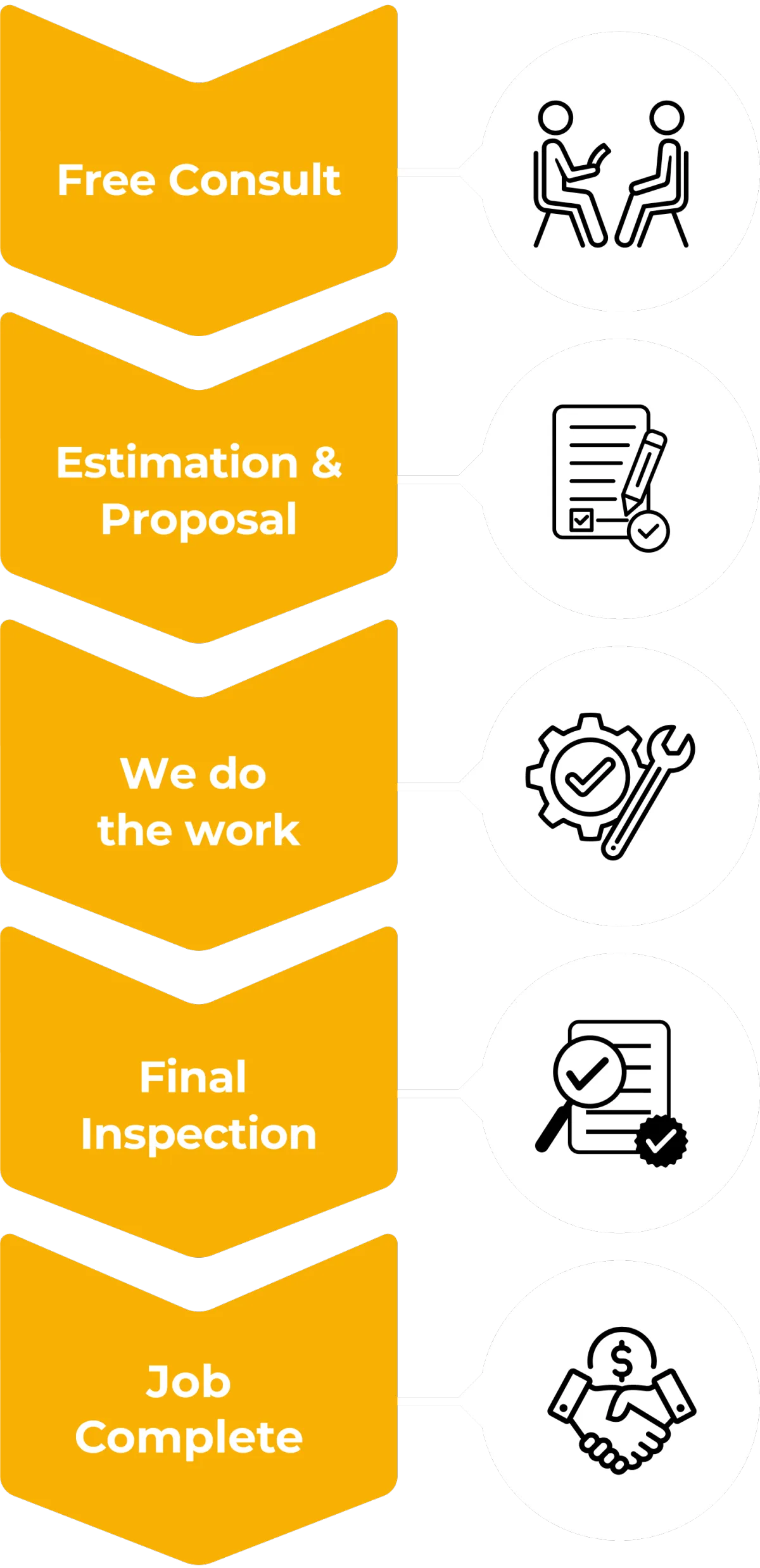
our process
Our process is simple and only contains a few simple steps

SERVICE AREAS
proudly serving Mandurah
Dawesville
Halls Head
Mandurah
Falcon
Erskine
Meadow Springs
Lakelands
Singleton
Golden Bay
Secret Harbour
Port Kennedy
Rockingham
Baldivis
Fremantle

frequently asked questions
Find clear answers to the questions we’re asked most often.
How does the repair process work?
Once you contact Appliance Repair Solutions, a technician will discuss the issue with you and arrange a suitable inspection time. The problem is diagnosed on site, and clear advice is provided before any repair work begins. The goal is to complete repairs efficiently while keeping communication straightforward throughout the process.
How quickly can I book a technician?
Service availability depends on your location and the type of appliance issue. In many cases, same day or next day bookings may be available across Sydney. The team aims to respond promptly and provide flexible scheduling where possible.
Do you provide quotes before starting repairs?
Yes. After assessing the appliance and identifying the fault, you will receive clear information about the recommended repair and expected costs. This helps customers make informed decisions before approving any work.
What should I do before the technician arrives?
It helps to clear access around the appliance and make note of any error codes or unusual behaviour. If possible, have the appliance model number available as this can assist with diagnosing the issue faster. The technician will guide you through anything else needed when confirming the booking.
What should I do before the technician arrives?
It helps to clear access around the appliance and make note of any error codes or unusual behaviour. If possible, have the appliance model number available as this can assist with diagnosing the issue faster. The technician will guide you through anything else needed when confirming the booking.
proudly serving Baulkham Hills
Homebush
Gladesville
Leichhardt
North Sydney
Mosman
Box Hill
Marsden park

Trusted & Accredited Plumbers

READY TO take the next step?
get a free quote TODAY!
Testortagor Electrical Test and Tag
Dawesville, WA
