BLOG
A Complete Guide to Electrical Test and Tag Requirements for Mandurah Workplaces
Electrical test and tag helps Mandurah workplaces identify portable electrical equipment that may present an electric shock, fire or equipment failure risk. The requirements are especially relevant where appliances, tools and leads are frequently moved, exposed to moisture, handled roughly or used in dusty conditions.
Testing is not simply a matter of attaching a label to every appliance at fixed intervals. Workplace duties depend on the equipment, how it is powered, where it is used and the risks created by its operating environment. The person conducting a business or undertaking, commonly called a PCBU, remains responsible for managing those risks.
Which Electrical Equipment Requires Inspection and Testing
Under the Work Health and Safety (General) Regulations 2022 in Western Australia, electrical equipment must be regularly inspected and tested by a competent person when it is supplied through a socket outlet and used in an environment likely to cause damage or reduce its expected life.
These higher-risk conditions can include exposure to moisture, heat, vibration, dust, corrosive substances or mechanical damage. Portable equipment that is moved frequently may also be exposed to stress around plugs, cords and connection points.
Common examples include extension leads dragged across workshop floors, power tools transported between construction sites, portable appliances used near sinks and equipment operated outdoors. Office equipment that remains stationary in a clean, dry location generally presents a different risk profile from tools used on an active building site.
New equipment that has never been used at the workplace does not automatically require electrical testing before first use. It should still be inspected for obvious damage before being placed into service. Purchase records can help establish when the item was acquired and first used.
What Happens During Inspection and Testing
A test and tag inspection begins with a visual examination. This is a critical part of the process because many unsafe conditions can be identified without energising the equipment.
The inspection may reveal cuts, crushing or exposed conductors in a flexible cord. Other warning signs include bent plug pins, cracked casings, loose components, damaged cord anchorage, scorch marks and unauthorised modifications. Power boards should also be checked for damaged sockets, switches and overload protection.
Electrical testing may then assess matters such as earth continuity, insulation resistance, polarity or protective conductor current, depending on the equipment class and design. Not every appliance receives the same sequence of tests. Class I equipment relies on protective earthing, while Class II equipment uses double or reinforced insulation and is identified differently.
AS/NZS 3760:2022 provides recognised procedures for the in-service safety inspection and testing of electrical equipment and residual current devices. It covers inspection methods, testing processes, competency, records and recommended frequencies for different operating environments.
Testing Intervals Depend on Workplace Conditions
There is no single testing interval that applies to every Mandurah workplace. The correct frequency depends on the likelihood that equipment will become damaged and the consequences if a fault develops.
Construction and demolition environments place considerable stress on electrical tools and leads. Equipment may be transported daily, exposed to abrasive materials or used around water and uneven ground. Workshops can present risks from dust, vibration, oils, sharp edges and repeated movement.
Schools, offices and other lower-risk indoor workplaces usually contain equipment operating under cleaner and more stable conditions. However, appliances in kitchens, maintenance areas, classrooms or shared spaces may be moved and handled more frequently than desktop equipment.
The recommended intervals in the applicable Australian Standard provide a starting point, but the workplace must also consider manufacturer instructions, equipment history and site-specific risks. An item that is damaged, has malfunctioned or has been exposed to water should not remain in use simply because its scheduled test date has not arrived.
Tags, Records and Failed Equipment
A test tag provides visible information about an inspection, but it does not make equipment permanently safe. Damage can occur at any time after testing, which is why workers should still check plugs, cords and casings before use.
Testing records should identify the equipment, inspection date, result, person who performed the test and the date when further testing is due. Under WA workplace regulations, required testing records must generally be retained until the equipment is tested again, permanently removed from the workplace or disposed of.
Equipment that fails inspection or testing should be disconnected and prevented from being used. A failed item should not be returned to service until it has been repaired by an appropriately qualified person and confirmed as safe, or replaced.
RCDs also require attention. These devices are designed to disconnect the electricity supply when leakage is detected, reducing the risk of serious electric shock. Workplace RCDs must be tested regularly by a competent person, and records of testing other than routine push-button checks must be retained until the next test or disposal.
A useful electrical safety program combines scheduled testing with pre-use checks, suitable storage, protected lead placement and prompt removal of damaged equipment. This approach gives Mandurah workplaces a clearer picture of equipment condition than relying on tag dates alone.
DISCOVER WHAT OUR CUSTOMERS HAVE TO SAY ABOUT US
REVIEWS
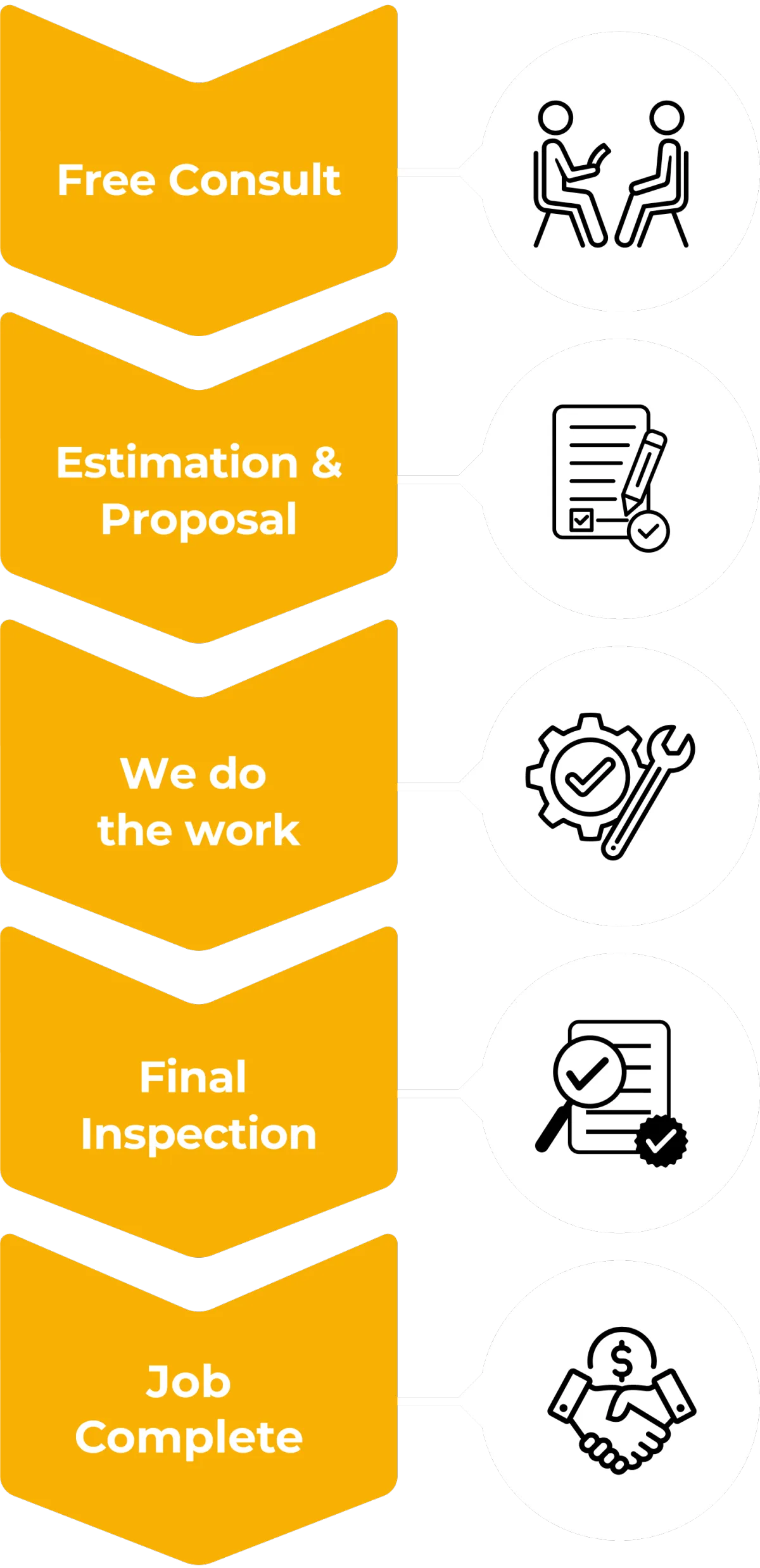
our process
Our process is simple and only contains a few simple steps

SERVICE AREAS
proudly serving Mandurah
Dawesville
Halls Head
Mandurah
Falcon
Erskine
Meadow Springs
Lakelands
Singleton
Golden Bay
Secret Harbour
Port Kennedy
Rockingham
Baldivis
Fremantle

frequently asked questions
Find clear answers to the questions we’re asked most often.
How does the repair process work?
Once you contact Appliance Repair Solutions, a technician will discuss the issue with you and arrange a suitable inspection time. The problem is diagnosed on site, and clear advice is provided before any repair work begins. The goal is to complete repairs efficiently while keeping communication straightforward throughout the process.
How quickly can I book a technician?
Service availability depends on your location and the type of appliance issue. In many cases, same day or next day bookings may be available across Sydney. The team aims to respond promptly and provide flexible scheduling where possible.
Do you provide quotes before starting repairs?
Yes. After assessing the appliance and identifying the fault, you will receive clear information about the recommended repair and expected costs. This helps customers make informed decisions before approving any work.
What should I do before the technician arrives?
It helps to clear access around the appliance and make note of any error codes or unusual behaviour. If possible, have the appliance model number available as this can assist with diagnosing the issue faster. The technician will guide you through anything else needed when confirming the booking.
What should I do before the technician arrives?
It helps to clear access around the appliance and make note of any error codes or unusual behaviour. If possible, have the appliance model number available as this can assist with diagnosing the issue faster. The technician will guide you through anything else needed when confirming the booking.
proudly serving Baulkham Hills
Homebush
Gladesville
Leichhardt
North Sydney
Mosman
Box Hill
Marsden park

Trusted & Accredited Plumbers


READY TO take the next step?
get a free quote TODAY!
Testortagor Electrical Test and Tag
Dawesville, WA
