
BLOG
Why Regular Electrical Testing Matters for Portable Equipment in Coastal Mandurah Workplaces
Mandurah workplaces operate in a coastal environment where salt-laden air, humidity and seasonal rain can affect portable electrical equipment. These conditions do not automatically make an appliance unsafe, but they can contribute to corrosion and insulation deterioration when combined with poor storage, frequent transport or existing physical damage.
Equipment used outdoors, near open workshop doors or in partially enclosed work areas faces different conditions from appliances kept in dry offices. Regular inspection and testing allows workplaces to identify deterioration that may not be obvious during normal operation.
How Coastal Conditions Affect Electrical Equipment
Salt particles carried through the air can settle on exposed metal components, plug pins, sockets and equipment housings. Salt attracts moisture and can support corrosion when equipment remains in a damp or poorly ventilated area.
Corrosion may first appear as discolouration, surface pitting or a green deposit around copper components. Rust can develop on screws, metal housings and earth connections. These changes can weaken connections or affect the protective earthing relied upon by Class I equipment.
Condensation is another concern. Equipment moved between cool indoor storage and warmer, humid conditions can develop moisture on or inside its casing. Using an appliance before that moisture has dispersed may increase the chance of insulation failure or current leakage.
These risks are higher for equipment stored in sheds, work vehicles, shipping containers or areas close to open doors. Enclosed storage is not always dry storage. A sealed vehicle or container can trap moisture after wet equipment, clothing or materials are placed inside.
Damage That May Develop Between Scheduled Tests
A current test tag records the result on the date of inspection. It does not confirm that equipment will remain free from damage until the next scheduled test.
Flexible cords can be cut by sharp edges, crushed under furniture or damaged when pulled from a socket by the cable. Repeated bending near the plug or appliance entry point may break internal conductors even when the outer insulation appears mostly intact.
Extension leads used around Mandurah workshops and outdoor work areas can also be affected by grit, moisture and vehicle movement. Plug pins may become bent or corroded, while socket contacts can loosen after repeated connection and disconnection. Power boards may develop cracked casings, damaged switches or overloaded sockets.
Warning signs include scorch marks, unusual heat, tingling sensations, intermittent operation, exposed conductors, loose cord anchorage and an RCD that trips repeatedly. Equipment showing these signs should be disconnected and removed from use rather than left until its next scheduled inspection.
Workers should also check whether equipment is rated for the conditions in which it is being used. Standard indoor power boards and extension connections should not be exposed to rain or placed on wet ground.
What Inspection and Electrical Testing Can Identify
Visual inspection is used to identify physical damage, contamination, modifications and missing components. Particular attention is given to plugs, flexible cords, strain relief, casings, switches and accessible metal parts.
Electrical testing provides information that cannot always be obtained visually. Depending on the equipment type, tests may assess protective earth continuity, insulation resistance, polarity or leakage current. These checks help identify faults hidden within cords, plugs or internal insulation.
AS/NZS 3760:2022 provides procedures for the in-service safety inspection and testing of electrical equipment and residual current devices. It also recognises that testing frequency should reflect the equipment type, working environment and likelihood of damage.
An office printer that remains on a desk does not experience the same risk as a power tool carried between vehicles and construction sites. The testing program should reflect that difference rather than placing every electrical item on an identical schedule.
Storage and Daily Checks Remain Necessary
Regular testing works best when supported by proper equipment handling. Leads should be coiled without tight bends and stored away from water, chemicals, direct weather and sharp objects. Wet or contaminated equipment should not be placed straight into enclosed storage.
Connections should be kept off damp ground and protected from vehicle movement. Lead stands, insulated hangers or cable covers may be appropriate where cords cross active work areas. Equipment designed only for dry indoor use should not be treated as suitable for coastal outdoor conditions.
Before connecting portable equipment, workers should check the cord, plug, casing and current tag. Any damage, unusual operation or suspected water exposure should be reported immediately. Resetting a tripped RCD without identifying why it operated can allow a serious fault to remain.
RCDs used in workplaces must also be tested regularly by a competent person. A push-button check confirms that the mechanism operates, while instrument testing measures whether the device disconnects the supply within the required conditions.
For coastal Mandurah workplaces, electrical safety depends on more than a tag attached at fixed intervals. Inspection, electrical testing, appropriate storage and routine pre-use checks work together to identify damage before it results in electric shock, fire or equipment failure.
DISCOVER WHAT OUR CUSTOMERS HAVE TO SAY ABOUT US
REVIEWS
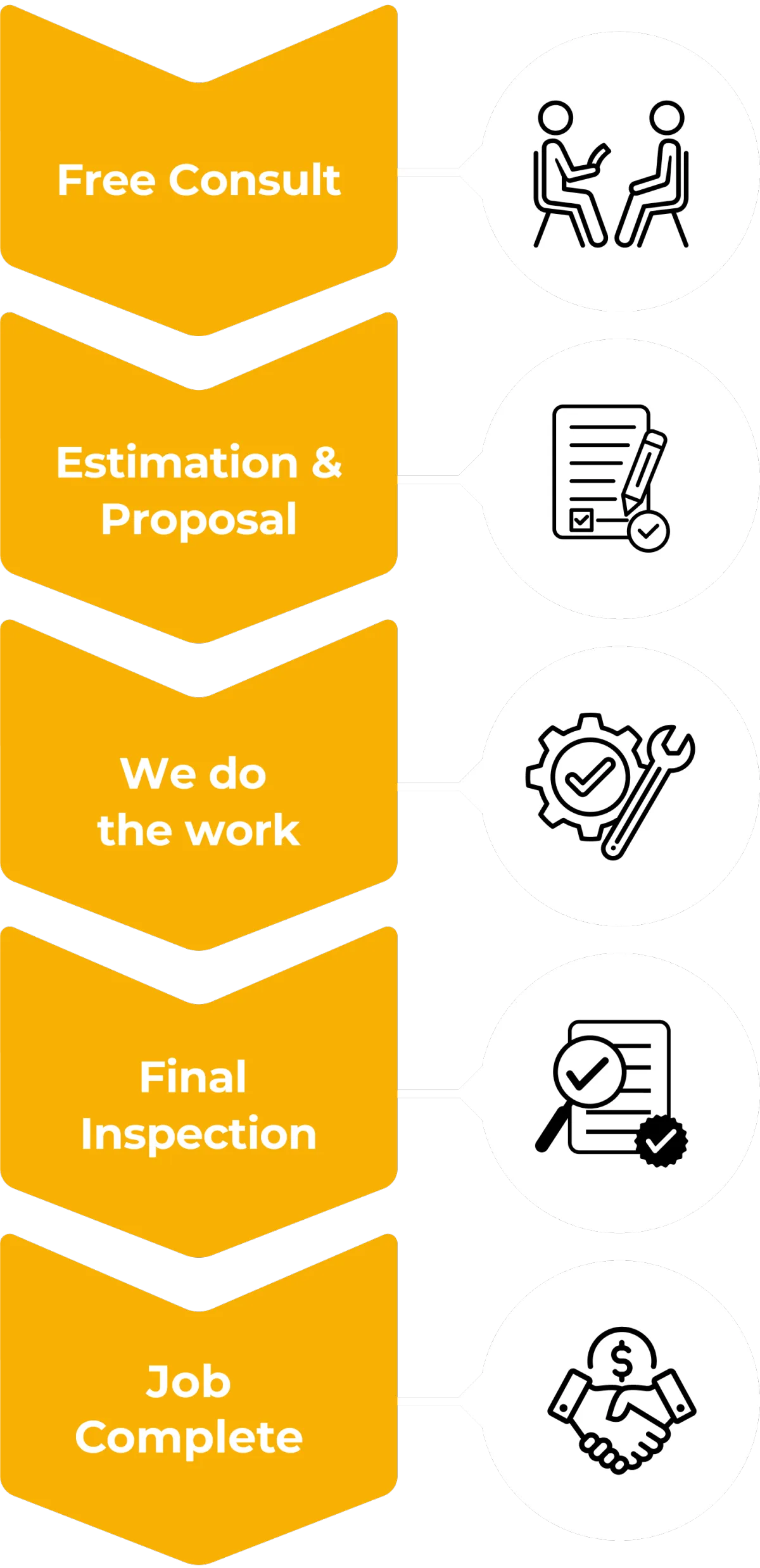
our process
Our process is simple and only contains a few simple steps

SERVICE AREAS
proudly serving Mandurah
Dawesville
Halls Head
Mandurah
Falcon
Erskine
Meadow Springs
Lakelands
Singleton
Golden Bay
Secret Harbour
Port Kennedy
Rockingham
Baldivis
Fremantle

frequently asked questions
Find clear answers to the questions we’re asked most often.
How does the repair process work?
Once you contact Appliance Repair Solutions, a technician will discuss the issue with you and arrange a suitable inspection time. The problem is diagnosed on site, and clear advice is provided before any repair work begins. The goal is to complete repairs efficiently while keeping communication straightforward throughout the process.
How quickly can I book a technician?
Service availability depends on your location and the type of appliance issue. In many cases, same day or next day bookings may be available across Sydney. The team aims to respond promptly and provide flexible scheduling where possible.
Do you provide quotes before starting repairs?
Yes. After assessing the appliance and identifying the fault, you will receive clear information about the recommended repair and expected costs. This helps customers make informed decisions before approving any work.
What should I do before the technician arrives?
It helps to clear access around the appliance and make note of any error codes or unusual behaviour. If possible, have the appliance model number available as this can assist with diagnosing the issue faster. The technician will guide you through anything else needed when confirming the booking.
What should I do before the technician arrives?
It helps to clear access around the appliance and make note of any error codes or unusual behaviour. If possible, have the appliance model number available as this can assist with diagnosing the issue faster. The technician will guide you through anything else needed when confirming the booking.
proudly serving Baulkham Hills
Homebush
Gladesville
Leichhardt
North Sydney
Mosman
Box Hill
Marsden park

Trusted & Accredited Plumbers


READY TO take the next step?
get a free quote TODAY!
Testortagor Electrical Test and Tag
Dawesville, WA
